

Who supervises conduct, and who supervises capital
- What This Chapter Covers
- Why There Are Two Layers
- The Canadian Securities Administrators and the Passport System
- CIRO and the Investment Dealer and Partially Consolidated Rules
- The Provincial Commissions, and FSRA in Ontario
- Who Supervises Conduct, and Who Supervises Capital
- A Worked Example
- Key Points
- The Calculator on the Test Screen
The regulators and what each one does
Who supervises conduct, and who supervises capital
Three more bodies appear in exam questions, and each has one clear job.
The is Canada's federal prudential regulator. It watches over banks, federally regulated insurance companies and private pension plans, so that they stay solvent and hold enough capital. It is not the regulator of an investment dealer, but it is the regulator of the bank that may stand behind one.
The supervises how federally regulated financial institutions treat their customers. It enforces the consumer provisions of the federal financial statutes, and it publishes consumer information. Its concern is conduct in the same sense the CIRE uses the word, but in banking rather than in securities.
The sets monetary policy and works to keep the financial system stable. It does not regulate a representative and it does not register anyone. It appears in exam questions about the economy and about the payment system.
Those three, plus the provincial commissions and CIRO, are the whole cast for element 1. An Investment Dealer answers to CIRO, to the commission in each province where it operates, and, in respect of its deposit taking or lending arm if it has one, to the federal prudential regulator.
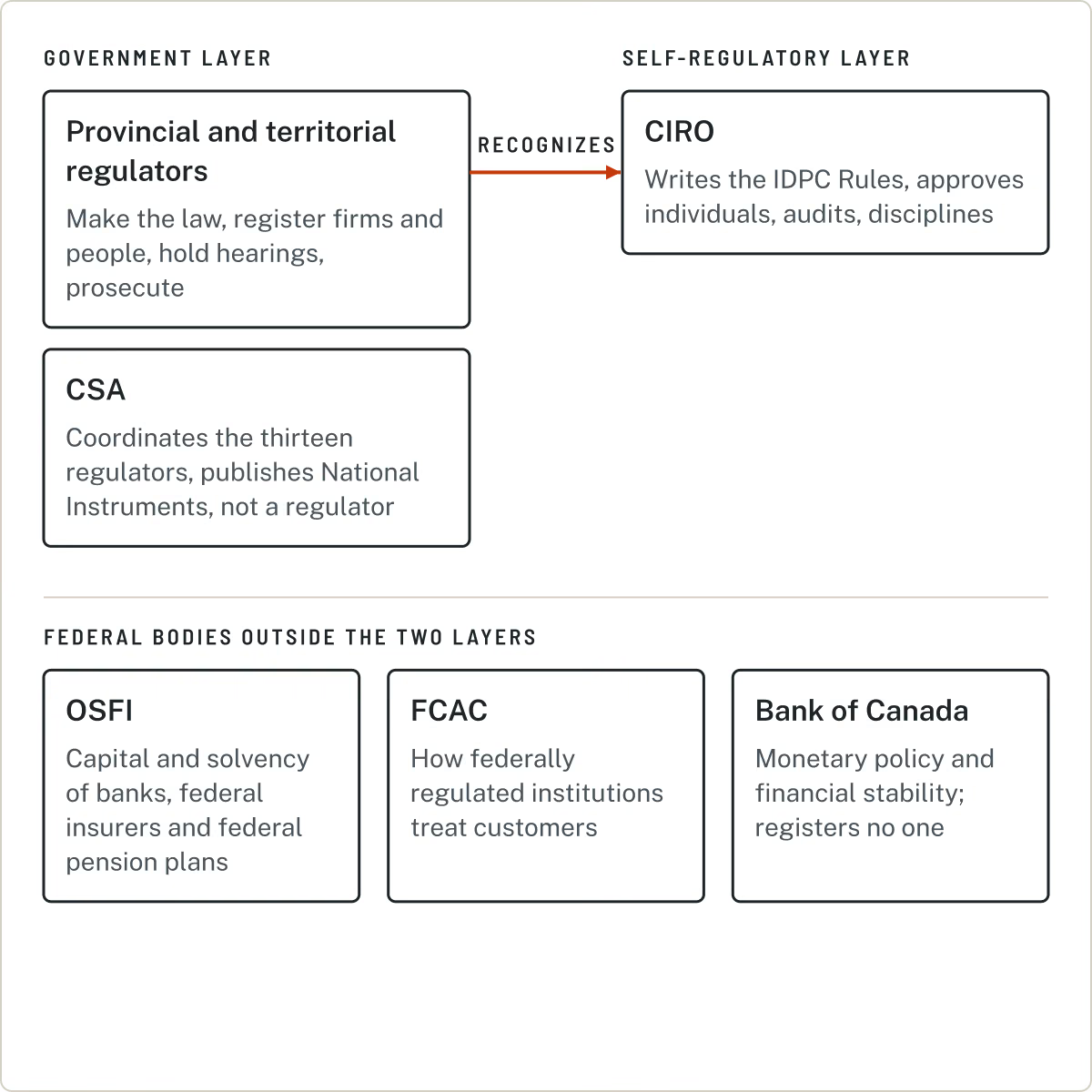
Figure 1.1. Two layers make the rules, and the federal bodies sit outside both.